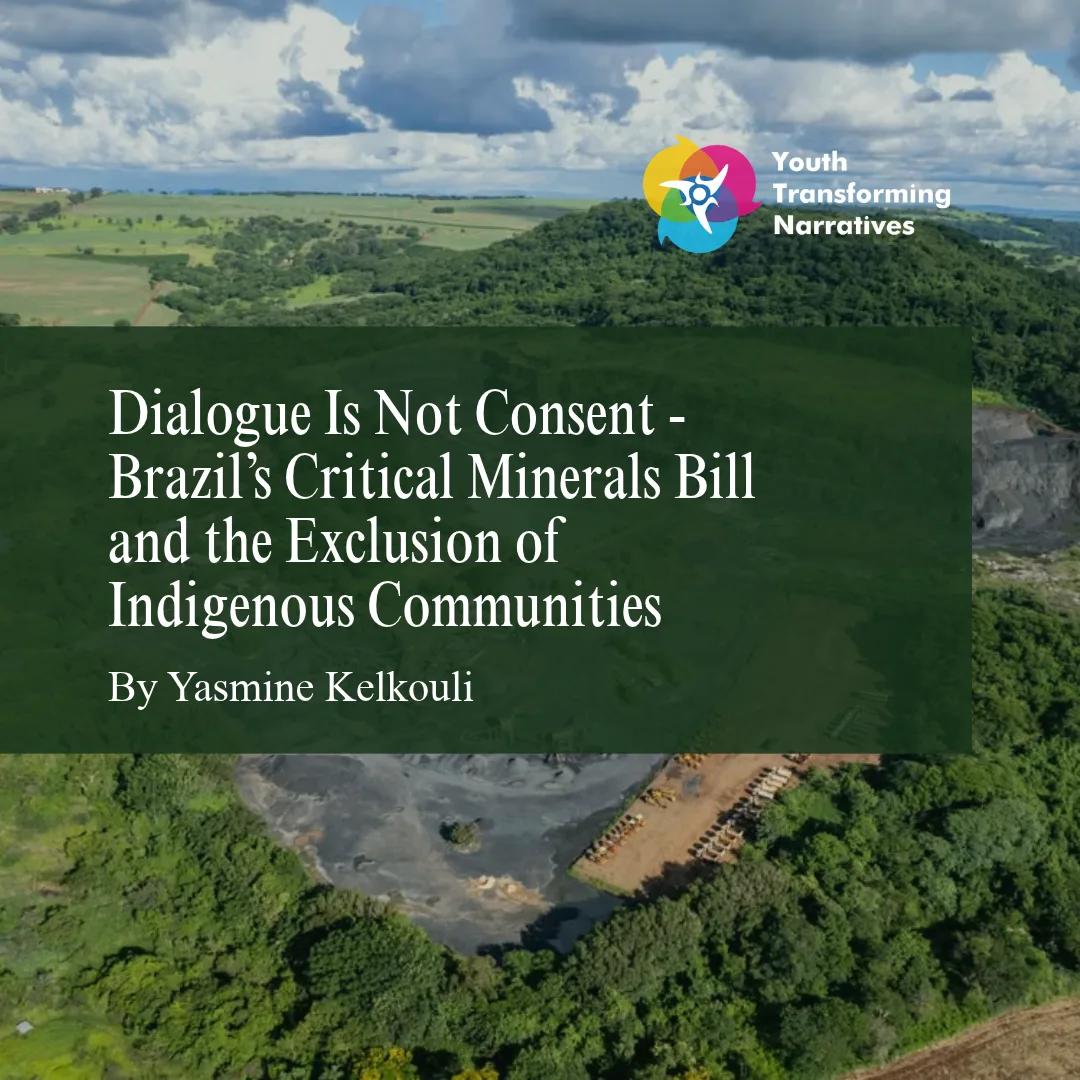
In June 2022, Brazilian indigenist Bruno Pereira and British journalist Dom Phillips were murdered in the Amazon for defending Indigenous land. Their deaths laid bare how little protection, and how little say, Indigenous peoples have over what happens on their territories. Four years later, Brazil’s critical minerals bill (PL 2780/24) promised to change that through “continuous and transparent dialogue” with Indigenous communities. Instead, the bill replaced it with something even more vague. Indigenous organizations lobbied heavily to fix this; ahead of the September 2, 2026 vote, amendments were pushed to explicitly state that dialogue must happen “without prejudice to” free, prior and informed consultation (FPIC) so that mere meetings couldn’t count as real consultation. However, the Senate rejected these safeguards, passing the framework without substantive changes.
This power imbalance was cemented by the subsequent Decree No. 13,118/2026, which formalized the composition of the National Council (CIMCE). Out of the 18 voting members running the framework, none are designated for Indigenous communities. Instead, the decree created a separate, non-binding Advisory Group on Critical and Strategic Minerals (Trindade, 2026). This moves the “dialogue” previously mentioned into an advisory vacuum, ensuring that while Indigenous voices may offer technical input, the binding authority of projects remains entirely within a council dominated by the state and private-sector interests.
To see why it matters, it helps to recall what consultation is supposed to mean. Brazil’s Constitution sets a clear standard: under Article 231, mining on Indigenous land requires authorization from the National Congress and a hearing with the affected communities (Chiaretti, 2026). ILO Convention 169 (1989), which Brazil ratified in 2002, making it binding in domestic law, holds that consultation must be held in good faith, and carried out through representative institutions (ILO, 2009). The UN Declaration on the Rights of Indigenous Peoples (UNDRIP), which Brazil voted for in 2007, goes further: Article 32 requires states to obtain Indigenous peoples’ free, prior, and informed consent before approving any project affecting their lands (UN, 2007). The point is that consultation can end in a “no”. Without that possibility, it’s not a consultation and everything that follows is measured against these national and international legal precedents.
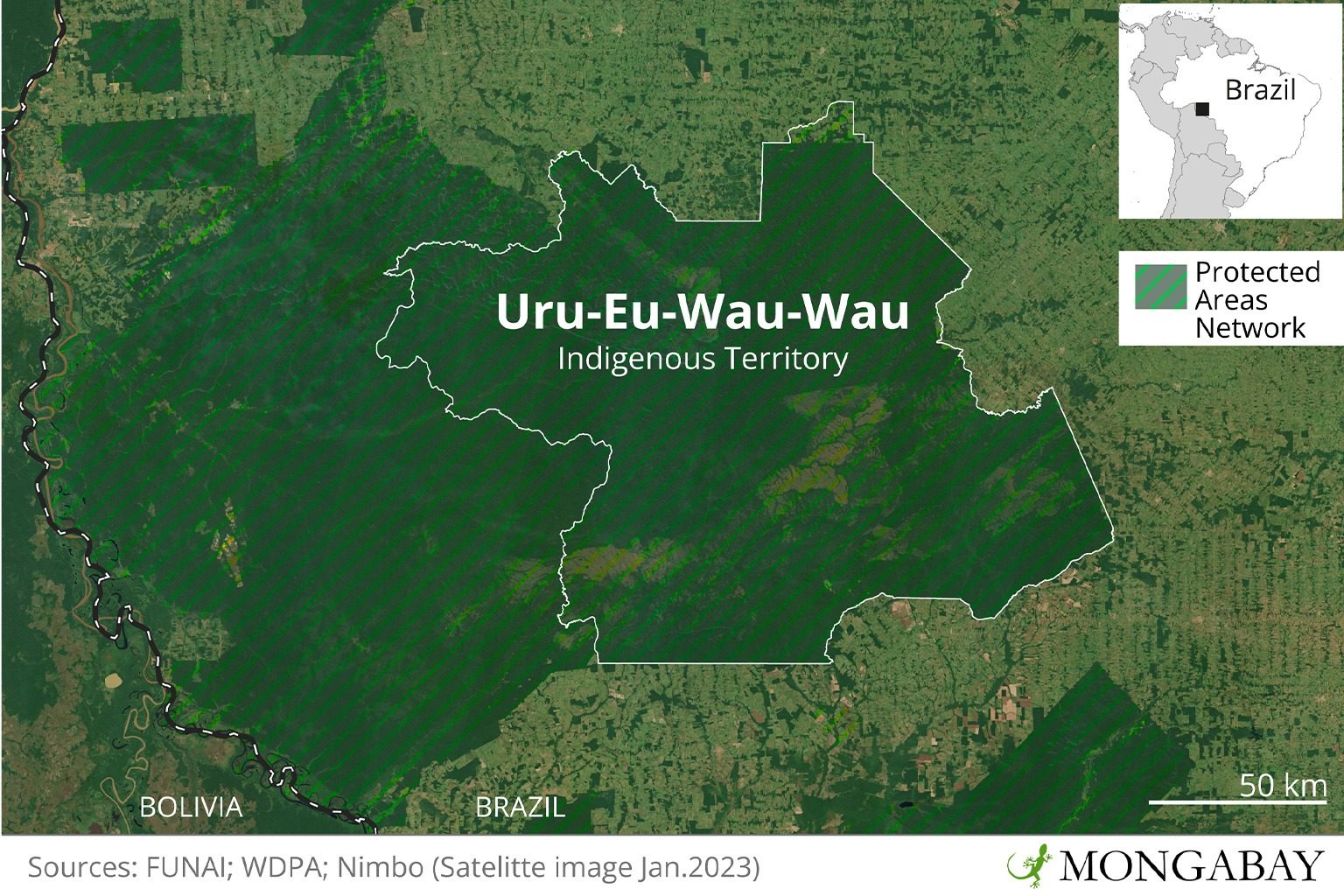
In practice, Indigenous peoples have done the work the state leaves undone: watching, recording, and defending their own land. For instance, the Uru-Eu-Wau-Wau community in the Amazon relies on high-tech tools like drones and smartphones to patrol their territory, safely mapping and documenting illegal logging and mining before reporting the coordinates to public authorities (WWF, 2023).
Moreover, Bruno Pereira, a Brazilian indigenist and former government official, spent years training Indigenous patrol groups to monitor and protect their demarcated territory in the Javari Valley in the Amazon (Branford, 2022). These examples show what real consultation and enforcement look like: the communities decide what happens on their land and have the means to act on it.
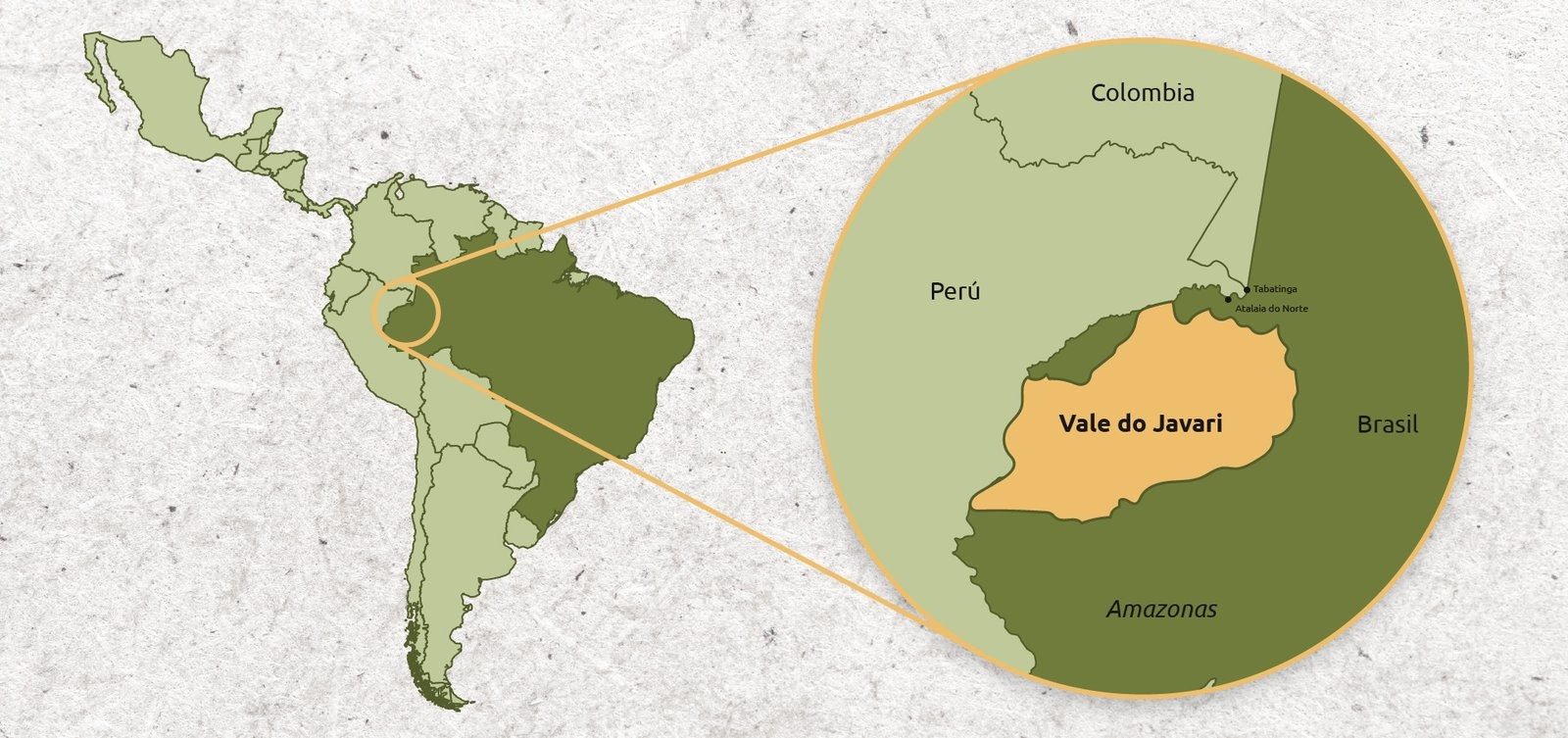
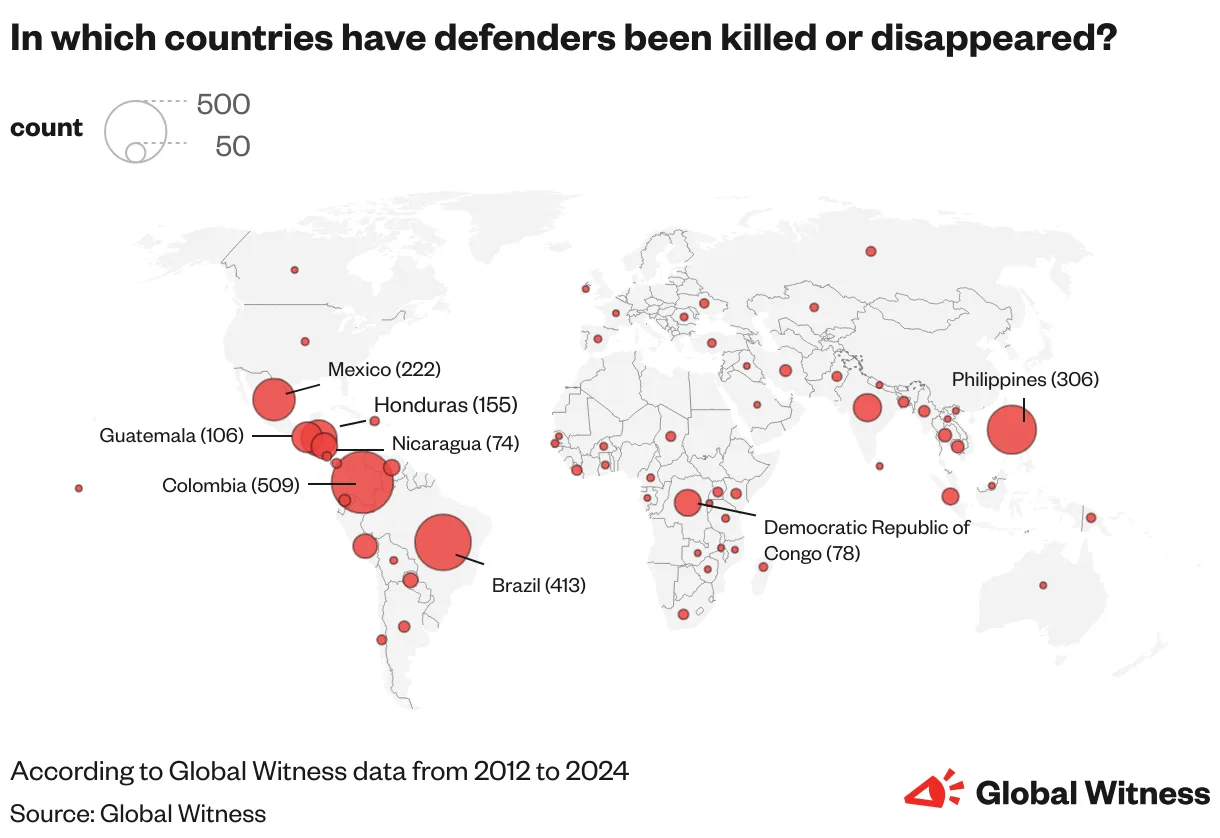
However, that work came at a cost; it’s what got Pereira and Phillips killed. Phillips was researching a book on sustainable conservation, and both men had been documenting environmental crimes and human rights violations, which made them targets of the extractive networks operating in the region (Watson, 2022). When consultation is hollow, documentation becomes one of the last tools left, and the people who use it pay for it. They weren’t alone; Brazil ranks among the deadliest countries in the world for environmental defenders, and most victims are Indigenous or Black (Guerra, 2022).
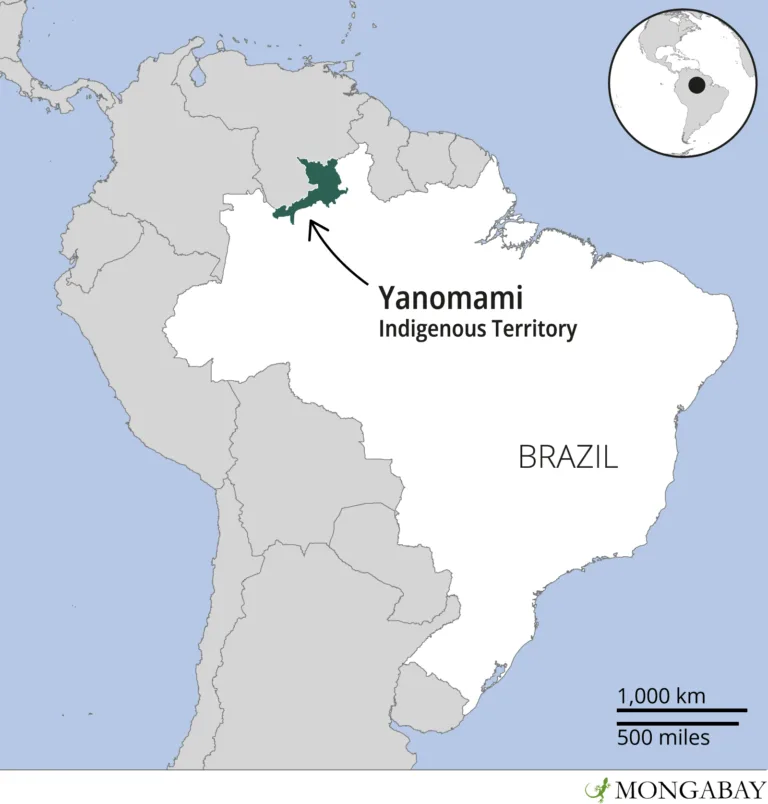
The Yanomami people show where this road leads. When tens of thousands of gold miners invaded their territory in the late 1980s, disease and violence followed, and in 1993, miners massacred 16 Yanomami at Haximu, the first crime the Brazilian state recognized as genocide (Rainforest Foundation, 2020). Thirty years later, history repeated itself. Under Jair Bolsonaro (2019-2022), who openly championed mining on Indigenous land, pushed bills to legalize it and withdrew environmental enforcement from the territory, an estimated 20,000 illegal miners invaded Yanomami land. They poisoned rivers with mercury and destroyed the forest that communities depended on for food (Krenak, 2023). At least 570 Yanomami children died of hunger and curable disease during his 4 years in office (Krenak, 2023). When the famine came to light in January 2023, the new government declared it a health emergency, and Lula called what he saw a genocide, not just a humanitarian crisis (AFP, 2023). This is what the absence of consultation looks like at its most extreme.
This systemic violence exposes the hypocrisy behind the bill’s new regulatory incentives, and most notably, its “low carbon” label. The framework creates a Low Carbon Mineral Certificate focused on emissions, but low carbon is not the same as low impact. Indeed, a mine can cut its carbon footprint and still damage water, biodiversity, and territory (Trindade, 2026). This is what makes this colonialism “green”. Lithium, nickel, and rare earths are presented as the building blocks of the energy transition and that purpose is used to excuse the destroyed land, poisoned water and Indigenous deaths left behind. The pattern, as mentioned, is not new. For centuries, Brazil’s land has been treated as a place to extract wealth for others (Neves, 2023). Critical minerals are simply the next commodity, but now wrapped in the language of sustainability.
Faced with state neglect and legal loopholes, Indigenous peoples are not waiting for an invitation. In April 2026, Indigenous leaders from around the globe joined over 50 nations in Santa Marta, Colombia, for the first international conference on transitioning away from fossil fuels. The summit was organized outside the traditional UN framework precisely because COP30 negotiations had stalled on fossil fuel phaseouts (Thompson, 2026). This autonomous mobilization provides the clearest answer to this blog’s question: what meaningful consultation looks like when the state reduces it to mere “dialogue”. Consultation is not about the state providing "continuous and transparent dialogue”, but something Indigenous peoples keep building, with or without a seat at the table. A green transition that swaps oil for mining on their land, without their decision taken into account, hasn’t left the colonial extractive model behind.
References:
AFP (2023). Brazil airlifts starving yanomami tribal people from the jungle. The Star. [online] 24 Jan. Available at: https://www.the-star.co.ke/opinion/star-blogs/2023-01-24-brazil-airlifts-starving-yanomami-tribal-people-from-jungle
Branford, S. (2022). The deaths of Dom Phillips and Bruno Pereira. [online] Latin America Bureau. Available at: https://lab.org.uk/the-deaths-of-dom-phillips-and-bruno-pereira/.
Chiaretti, D. (2026). The never-ending story of mining on indigenous lands. [online] valorinternational. Available at: https://valorinternational.globo.com/commentary/daniela-chiaretti/commentary/the-never-ending-story-of-mining-on-indigenous-lands.ghtml.
Foster, N. (2023). How one indigenous community uses high-tech tools to defend its territory. [online] World Wildlife Fund. Available at: https://www.worldwildlife.org/news/stories/how-one-indigenous-community-uses-high-tech-tools-to-defend-its-territory/.
Guerra, G. (2022). Brazil is the country that most kills land activists, according to report by global witness. [online] Conectas. Available at: https://conectas.org/en/noticias/brazil-is-the-country-that-most-kills-land-activists-according-to-report-by-global-witness/.
International Labour Standards Department (2009). Indigenous and tribal peoples’ rights in practice: A guide to ILO convention no. 169. [online] International Labour Organization (ILO). Available at: https://www.ilo.org/sites/default/files/wcmsp5/groups/public/%40dgreports/%40dcomm/%40publ/documents/publication/wcms_171810.pdf.
Krenak, E. (2023). The humanitarian crisis affecting Yanomami peoples: Bolsonaro’s catastrophic legacy in the Amazon. [online] www.culturalsurvival.org. Available at: https://www.culturalsurvival.org/news/humanitarian-crisis-affecting-yanomami-peoples-bolsonaros-catastrophic-legacy-amazon.
Neves, E. (2023). The Amazon and its peoples have a history—And that’s why the forest is what it is - SUMAÚMA. [online] SUMAÚMA. Available at: https://sumauma.com/en/a-amazonia-e-seus-povos-tem-historia-e-por-isso-a-floresta-se-tornou-o-que-e/.
Política Nacional De Minerais Críticos E Estratégicos (PNMCE) - projeto de lei no 2.780/2024.[online] Available at: https://apiboficial.org/files/2026/09/ALERTA_CONGRESSO_PL_2780_24_aprovado_no_Senado_Federal_Google_Docs.pdf.
Rainforest Foundation (2020). Murder of two Yanomami by illegal miners heightens fears of renewed cycle of violence in the Brazilian Amazon. [online] Rainforest Foundation US. Available at: https://rainforestfoundation.org/murder-yanomami-illegal-miners-amazon/.
Survival International and Survival International (2019). Bruno Pereira and Dom Phillips: Survival international statement - survival international. [online] Survivalinternational.org. Available at: https://www.survivalinternational.org/articles/bruno-dom-statement.
Thompson, S. (2026). Santa Marta explained: What happened at the first conference on transitioning away from fossil fuels. [online] European Chair for Sustainable Development and Climate Transition. Available at: https://www.sciencespo.fr/chair-sustainable-development/news/santa-marta-explained-what-happened-at-the-first-conference-on-transitioning-away-from-fossil-fuels/.
Trindade, A.D. (2026). Brazil’s national policy on critical and strategic minerals: FAQs. [online] Mattos Filho. Available at: https://www.mattosfilho.com.br/en/unico/critical-minerals-faqs/.
United Nations (2007). United Nations declaration on the rights of indigenous peoples :. digitallibrary.un.org. [online] Available at: https://digitallibrary.un.org/record/609197?ln=en.
Maps:
Map 1: Brown, S. (2024). Grassroots efforts and an emmy-winning film help indigenous fight in Brazil. [online] Mongabay Environmental News. Available at: https://news.mongabay.com/2024/01/grassroot-efforts-and-an-emmy-winning-film-help-indigenous-fight-in-brazil/.
Map 2: Brown, S. (2024). Grassroots efforts and an emmy-winning film help indigenous fight in brazil. [online] Mongabay Environmental News. Available at: https://news.mongabay.com/2024/01/grassroot-efforts-and-an-emmy-winning-film-help-indigenous-fight-in-brazil/.
Map 3: Instituto Humanitas Unisinos (2017). Brasil es el país con más ambientalistas mortos en américa latina. [online] Instituto Humanitas Unisinos. Available at: https://www.ihu.unisinos.br/.%20https://www.ihu.unisinos.br/572190-brasil-es-el-pais-con-mas-ambientalistas-mortos-en-america-latina.
Map 4: Lyons, C. (2023). Six months on, the yanomami crisis in Brazil continues amid rising violence. [online] Earth Journalism Network. Available at: https://earthjournalism.net/stories/six-months-on-the-yanomami-crisis-in-brazil-continues-amid-rising-violence.